



Compliance
Compliance (regulatory compliance) means conforming to comply with relevant laws and regulations. Together with KYC Spider in Zug Eurospider has in-depth compliance know-how.
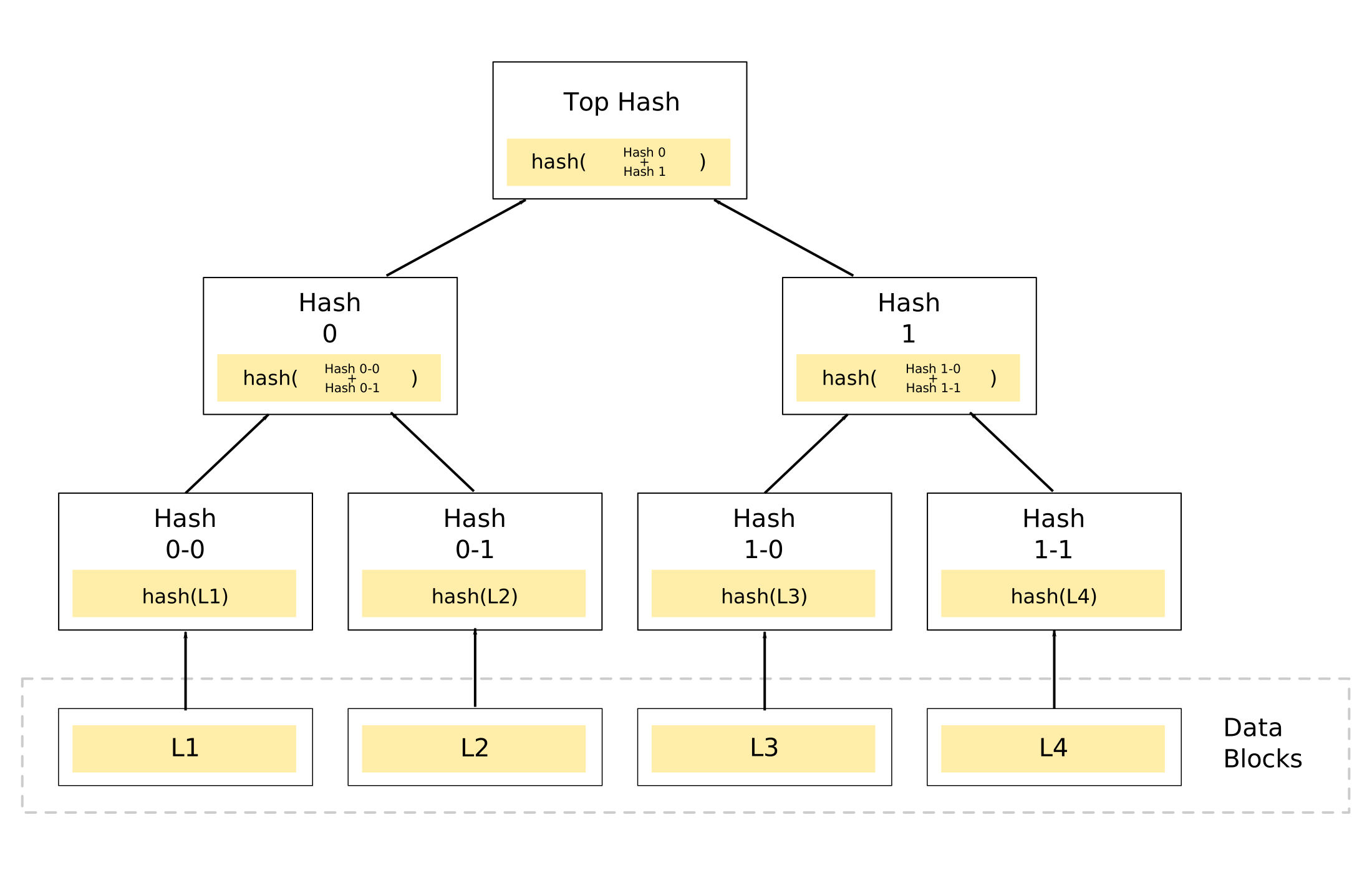
When Alice sends a message to Bob with an electronic certificate, Bob needs to trust the certification authority and can use the public key to verify Alice's certificate. This means Bob can only be sure that Alice is the sender if he trusts the certification body.

Although digitalization is on everyone’s lips, a huge number of documents continue to be published using the Portable Document Format (PDF) invented in 1993. The subsequent usability of PDF documents in digitalized processes is limited; however, PDF documents that have been digitally signed are very widespread.

The preliminary draft of the new Data Protection Act introduces the term “profiling” (Art. 3, lit. f, preliminary draft Data Protection Act). “Profiling” describes the evaluation of data in order to analyze or predict key personal characteristics.

In a recent compliance know how past, we already addressed the future data protection regulation. The term pseudonymization is infrequently used in this subject area. This means that individual-related data is not linked explicitly to a person, but a pseudonym.
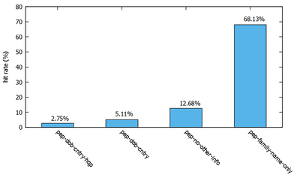
We report in this article on name matching experiments, in particular on hit rates. We matched a sample of 631’845 fictitious customers aigainst PEP profiles (Politically Exposed Person). A hit is a match between a customer and at least one PEP profile independent of the correctness of the match. A correct match (also called true positive) means that the customer is eventually the PEP described in the profile. A false match (also called false positive) means that the customer and the PEP are two different persons with very similar or identical names.
Data Protection Act
The Swiss Data Protection Act underwent a complete revision in 2020, and its new version took effect on September 1, 2023, along with the new Data Protection Ordinance (DPO). The revision itself is complete, but its practical application continues to evolve. The topic of AI is particularly relevant: On May 8, 2025, the FDPIC confirmed that the DPA is technology-neutral and applies directly to all AI applications. In practice, this means, among other things, that users must know whether they are interacting with AI (transparency requirement, Art. 19), and that a data protection impact assessment is mandatory in cases of high risk—such as profiling or facial recognition (Art. 22). The Federal Office of Justice (FOJ) is drafting a consultation document on AI regulation to be completed by the end of 2026. With this, Switzerland will implement the Council of Europe's AI Convention.
